
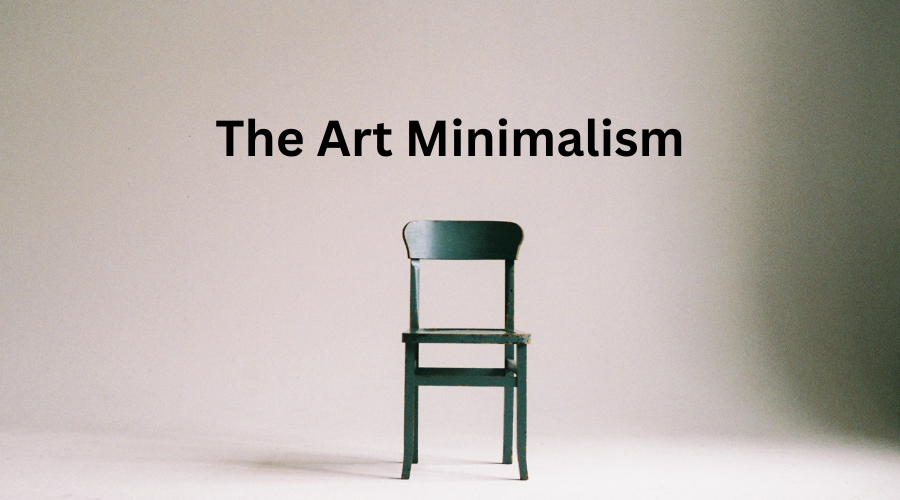
In a world that constantly pushes us to do more, buy more, and be more, minimalism offers a refreshing counterbalance. It’s not just about owning fewer things — it’s about making room for what truly matters. Whether you want to declutter your home, your digital life, or your thoughts, mastering the art of minimalism can help you find balance, clarity, and purpose.
What Is Minimalism, Really?
Minimalism is often misunderstood as living with as little as possible — bare walls, empty shelves, and only one pair of shoes. In truth, it’s not about deprivation but intentional living.
At its core, minimalism means removing the unnecessary so you can focus on what adds value. This could mean fewer clothes, fewer distractions, or fewer commitments — all in service of a simpler, more meaningful life.
As Joshua Becker, a leading voice in the minimalist movement, says:
“Minimalism is the intentional promotion of the things we most value and the removal of anything that distracts us from them.”
Why Minimalism Matters Today
We live in the age of abundance — overflowing inboxes, packed schedules, and endless scrolling. While we have more choices than ever, we often feel more anxious and dissatisfied.
Minimalism helps break that cycle by:
- Reducing decision fatigue: Fewer choices mean less stress and faster decisions.
- Creating mental clarity: A tidy space leads to a clear mind.
- Boosting financial freedom: When you buy less, you save more.
- Improving focus: With fewer distractions, you can give full attention to what truly matters.
- Enhancing gratitude: You start appreciating what you already have.
How to Start Practicing Minimalism
Starting small is key. Here’s a step-by-step guide to help you begin your minimalist journey:
1. Declutter Your Space
Begin with one area — maybe your wardrobe, desk, or digital files.
Ask yourself:
“Does this item serve a purpose or bring me joy?”
If not, it’s time to let it go.
2. Simplify Your Schedule
We often mistake busyness for productivity.
Review your commitments and eliminate what doesn’t align with your goals or values.
3. Be Intentional With Your Purchases
Before buying something new, pause and ask:
“Do I really need this, or am I trying to fill a temporary emotion?”
4. Digitally Detox
Unsubscribe from unnecessary emails, unfollow cluttered social media accounts, and organize your digital folders. A cleaner digital space can drastically improve focus.
5. Redefine Success
Minimalism isn’t just about stuff — it’s about mindset.
Redefine success not by what you own, but by how you live, feel, and connect with others.
The Minimalist Mindset
The deeper layer of minimalism lies in mindfulness — being fully present and intentional in how you spend your time and energy.
When you choose simplicity over excess, you create space for creativity, peace, and deeper relationships. Minimalism helps you shift from “having more” to “being more.”
Final Thoughts
Mastering the art of minimalism isn’t about achieving perfection — it’s about progress. Every small step you take toward simplicity brings you closer to freedom and clarity.
So start today: clear a shelf, cancel an unneeded subscription, or take a walk without your phone.
Because in the end, the less you own, the more you have.